The Library
Ingredients
Honest, well-researched guides to every botanical we carry — what it is, where it comes from, the traditions behind it, and how we offer it. Educational and cultural framing only; we make no medical claims.
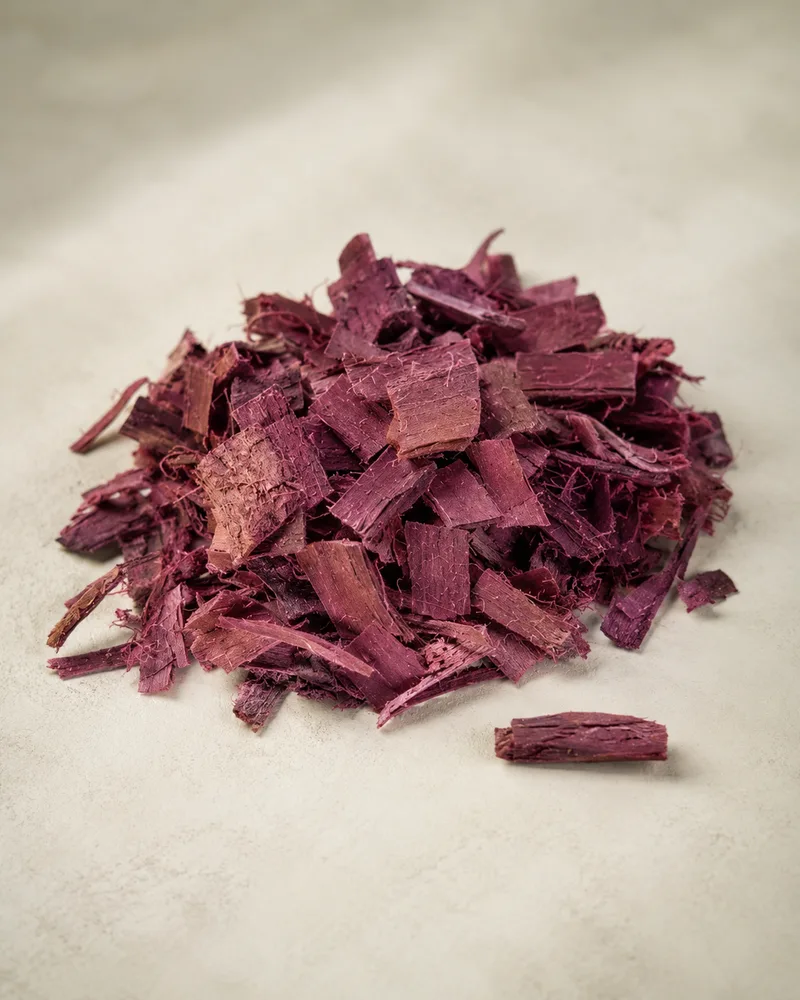
Mimosa Hostilis Root Bark
Mimosa Hostilis Root Bark (MHRB) is the inner root bark of the Brazilian tree Mimosa tenuiflora, traditionally valued as a natural source of reddish-purple dye and in regional craft.
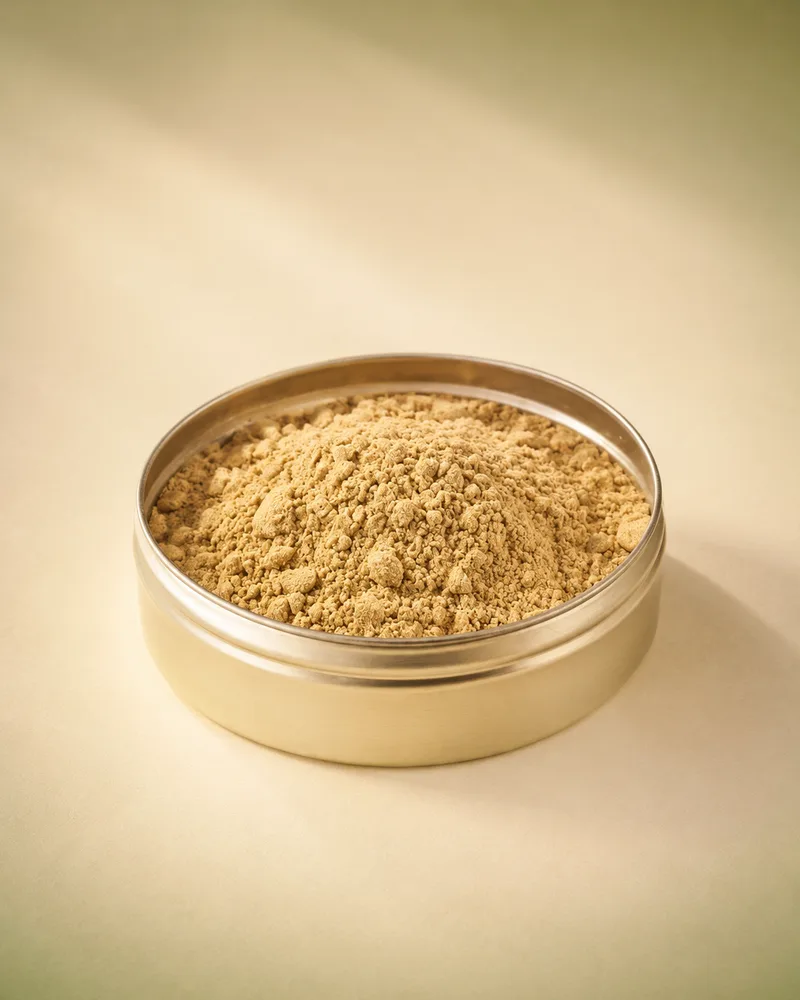
Rapé
Rapé (pronounced ha-PEH) is a family of finely-ground ceremonial botanical blends from the Amazon, prepared by indigenous communities and traditionally used in cultural and ritual contexts.
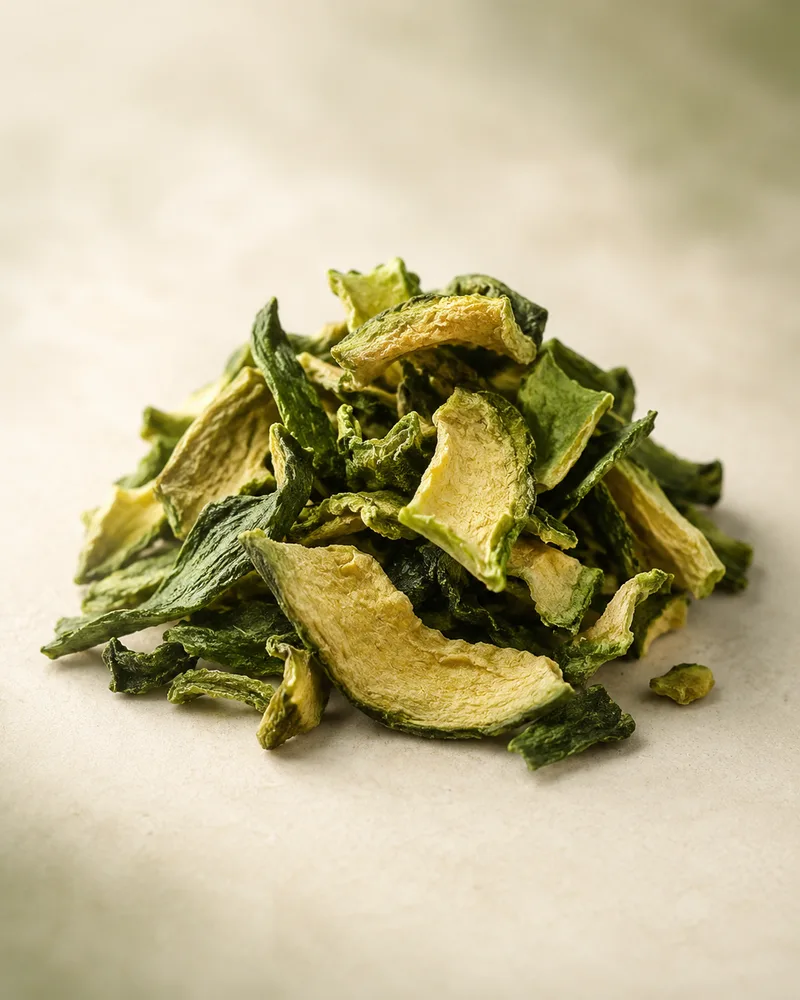
San Pedro Cactus
San Pedro (Echinopsis pachanoi), also called Huachuma, is a fast-growing Andean columnar cactus that has been honoured in Peruvian cultural and ceremonial traditions for thousands of years.
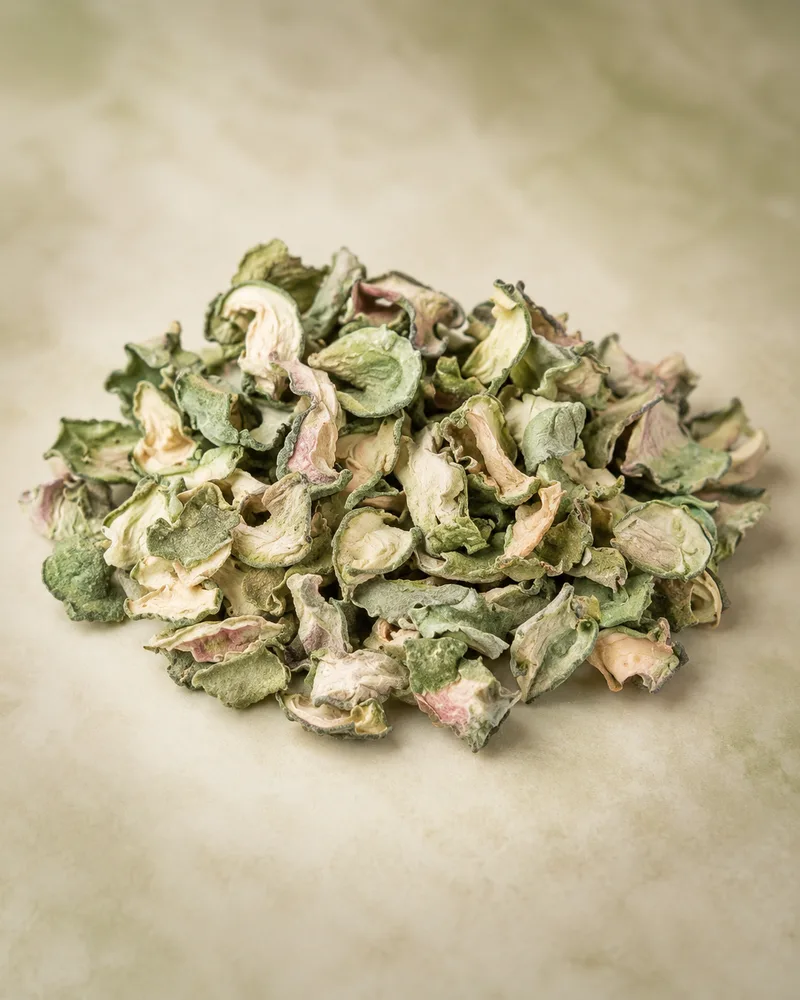
Peruvian Torch
Peruvian Torch (Echinopsis peruviana) is a tall, blue-green columnar cactus closely related to San Pedro, native to the western slopes of the Peruvian Andes.
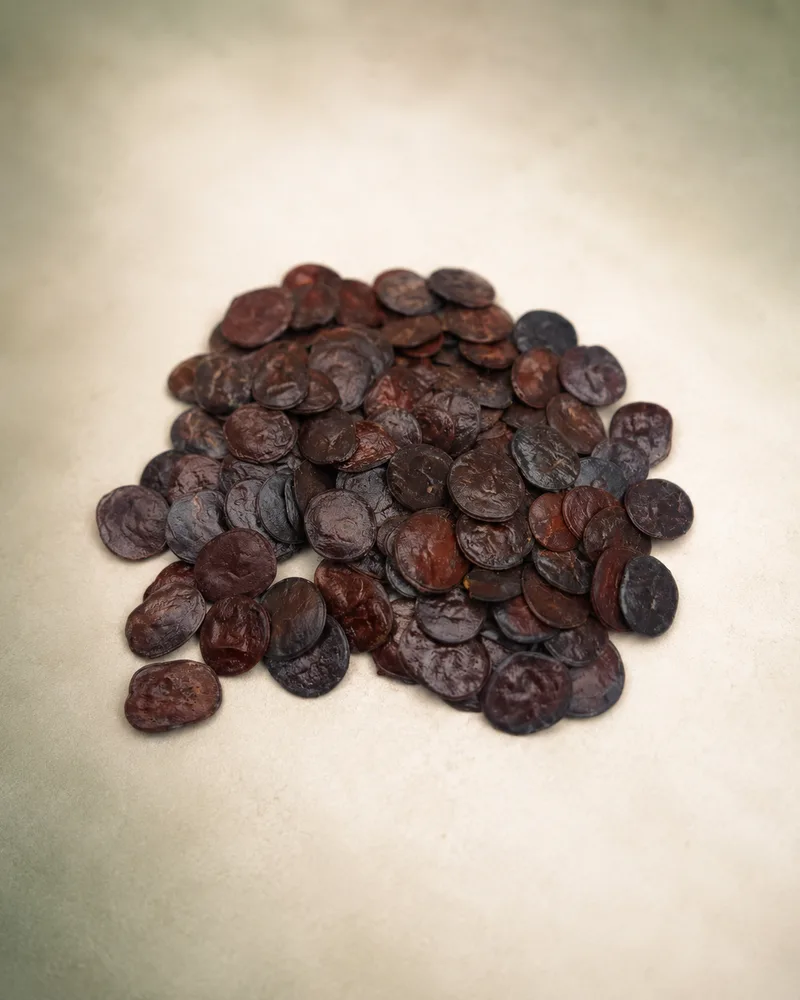
Yopo Seeds
Yopo seeds come from Anadenanthera peregrina, a leguminous tree of the Orinoco Basin whose seeds have a long history of ceremonial use among indigenous peoples of South America and the Caribbean.
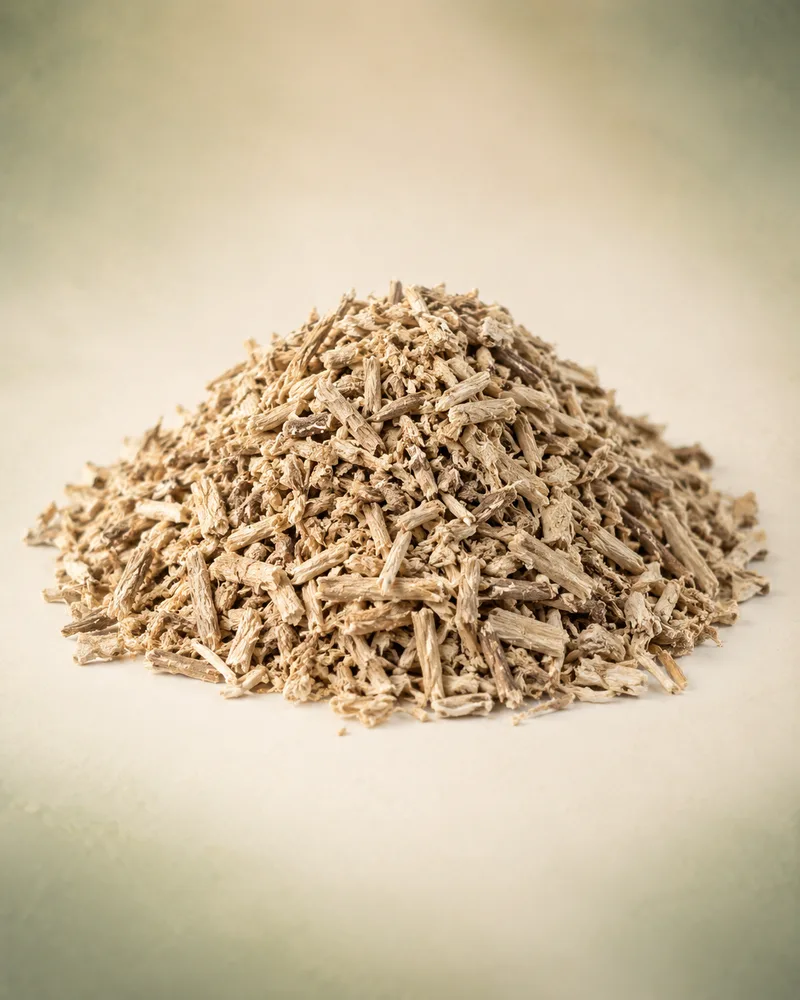
Kava Kava
Kava (Piper methysticum) is a Pacific Island shrub whose root has been prepared as a communal, grounding beverage across Oceania for over three thousand years.
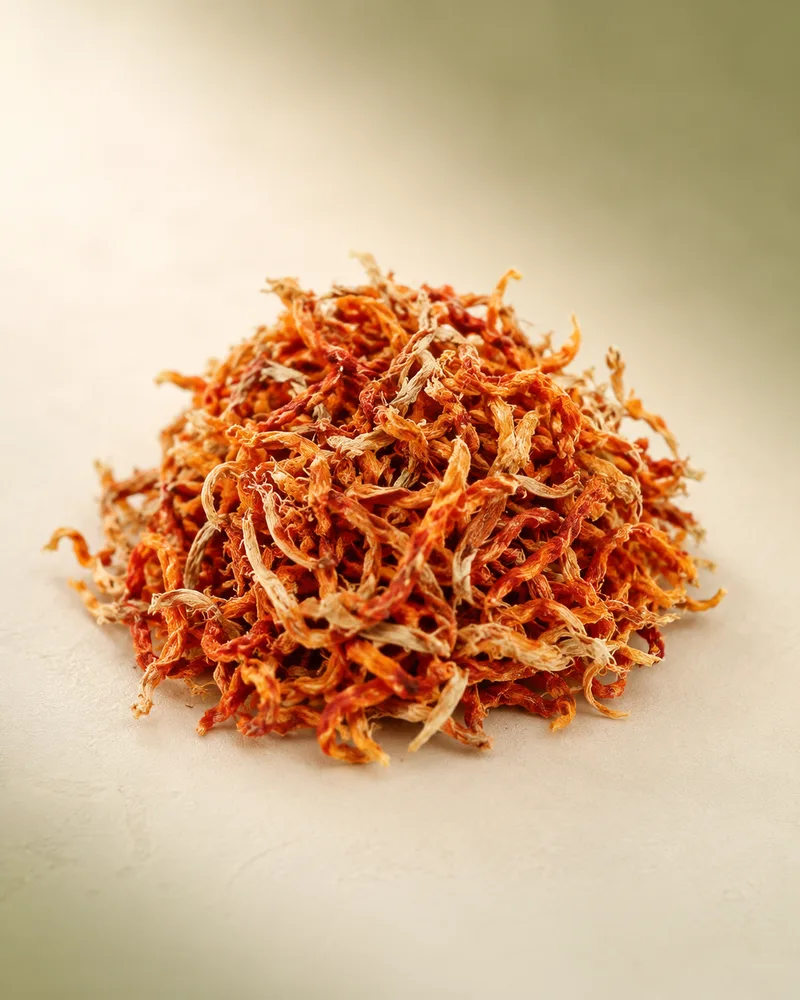
Wild Dagga
Wild Dagga (Leonotis leonurus), also called lion's tail, is a striking orange-flowered shrub native to South Africa, used traditionally in herbal and craft contexts and valued by gardeners as an ornamental.
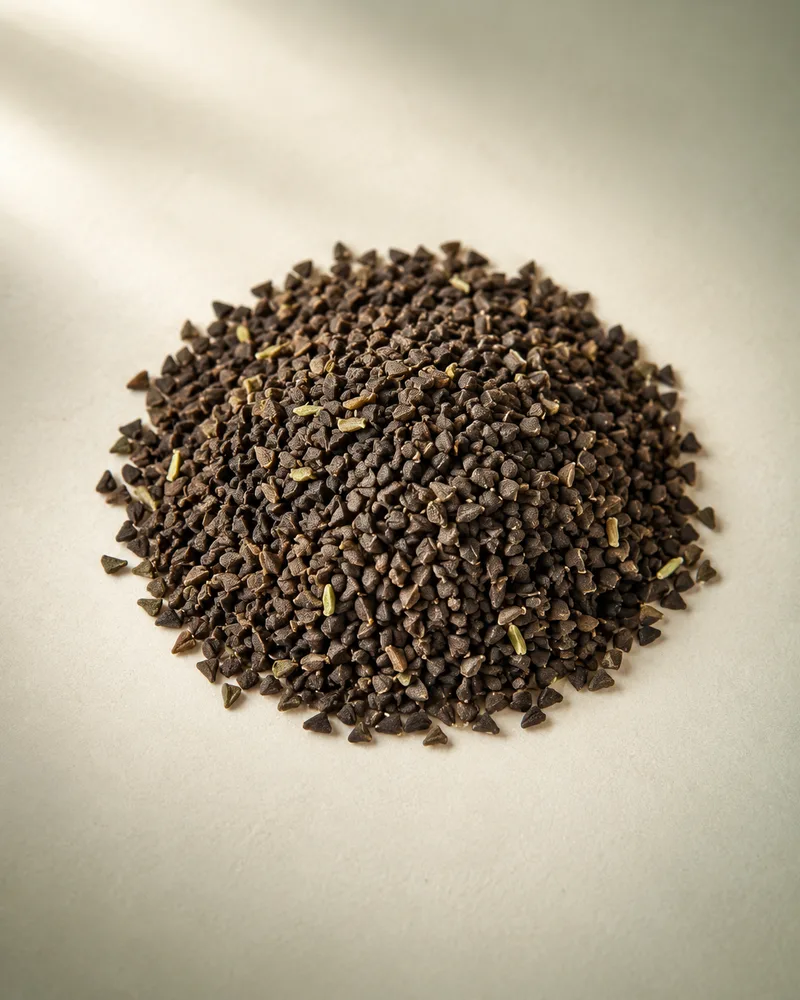
Syrian Rue
Syrian Rue (Peganum harmala), known as esfand or harmal, is a hardy flowering plant of the Eastern Mediterranean and Central Asia whose seeds have been used for centuries as a natural dye and in cultural traditions.